Regenerative Tourism
1. Our Regenerative Approach
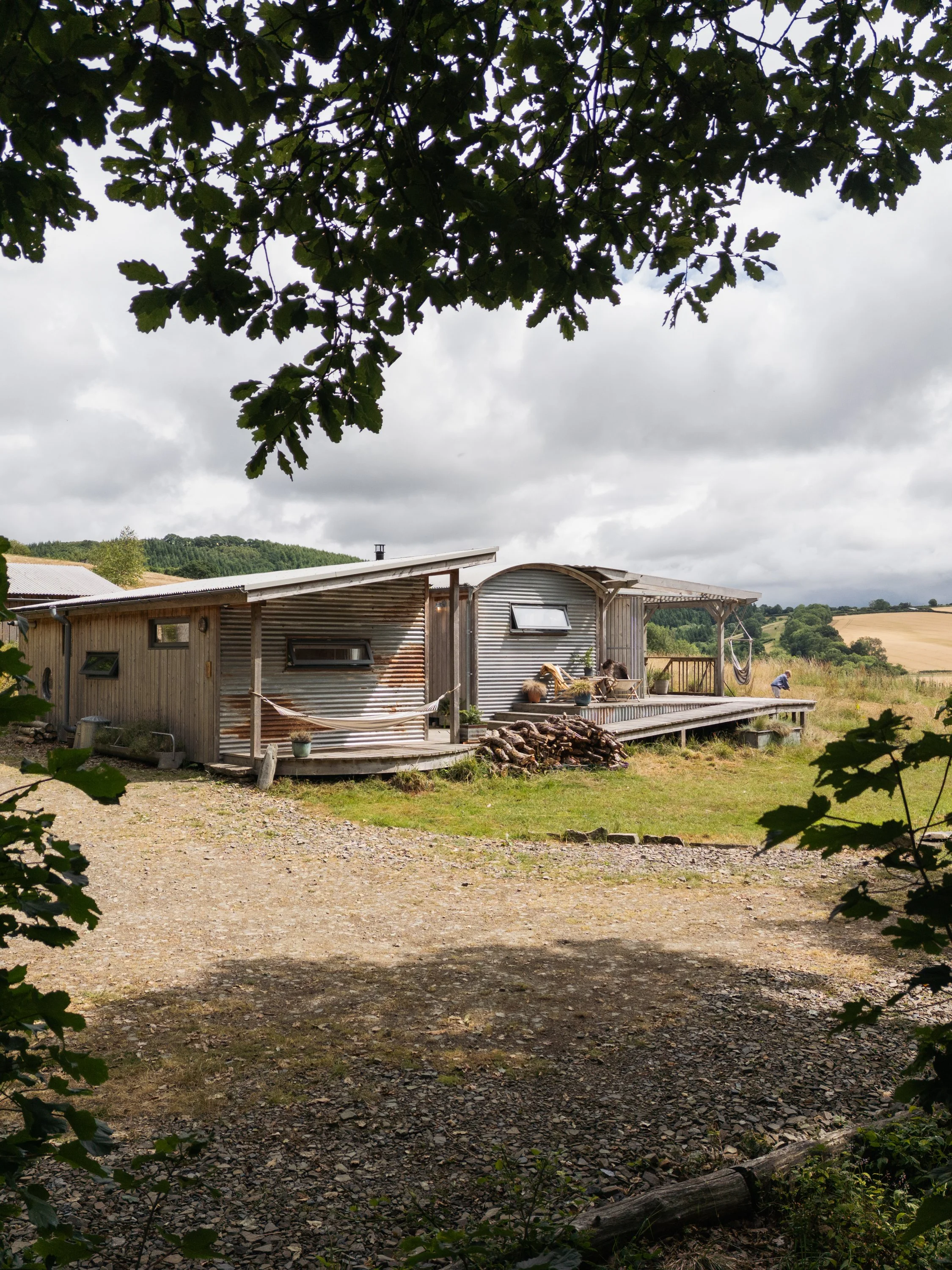
At Frith Meadow, regenerative tourism means going beyond minimising harm. Our aim is to actively restore natural systems, strengthen local communities, and deepen guests connection to place, ensuring the land, biodiversity, and social value of the site are improved over time.
This policy is underpinned by our Sustainability Policy and Decarbonisation Plan and reflects our commitment to continual learning, adaptation, and positive impact.
2. Regenerating the Natural Environment
2.1 Land, Water & Biodiversity
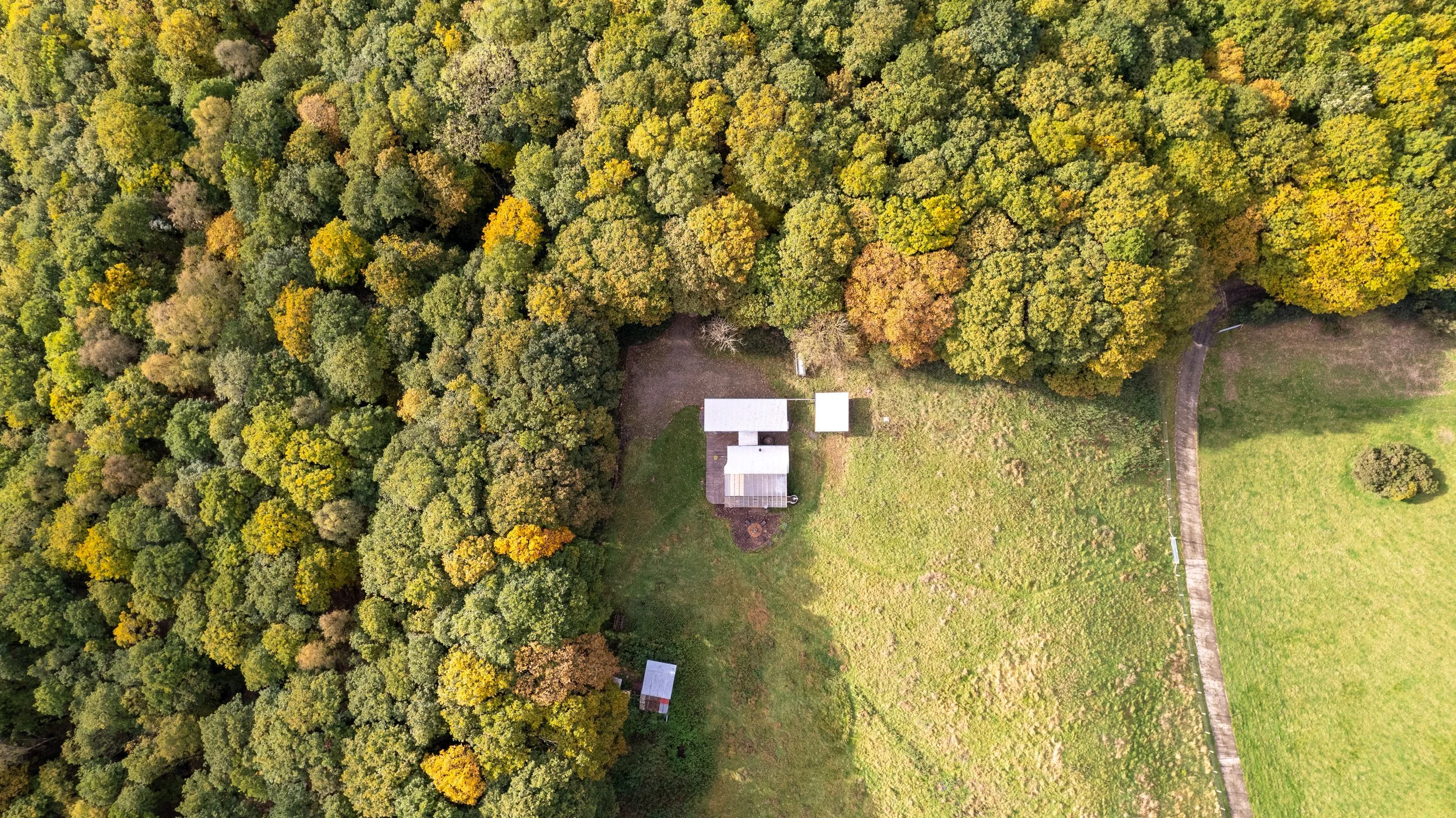
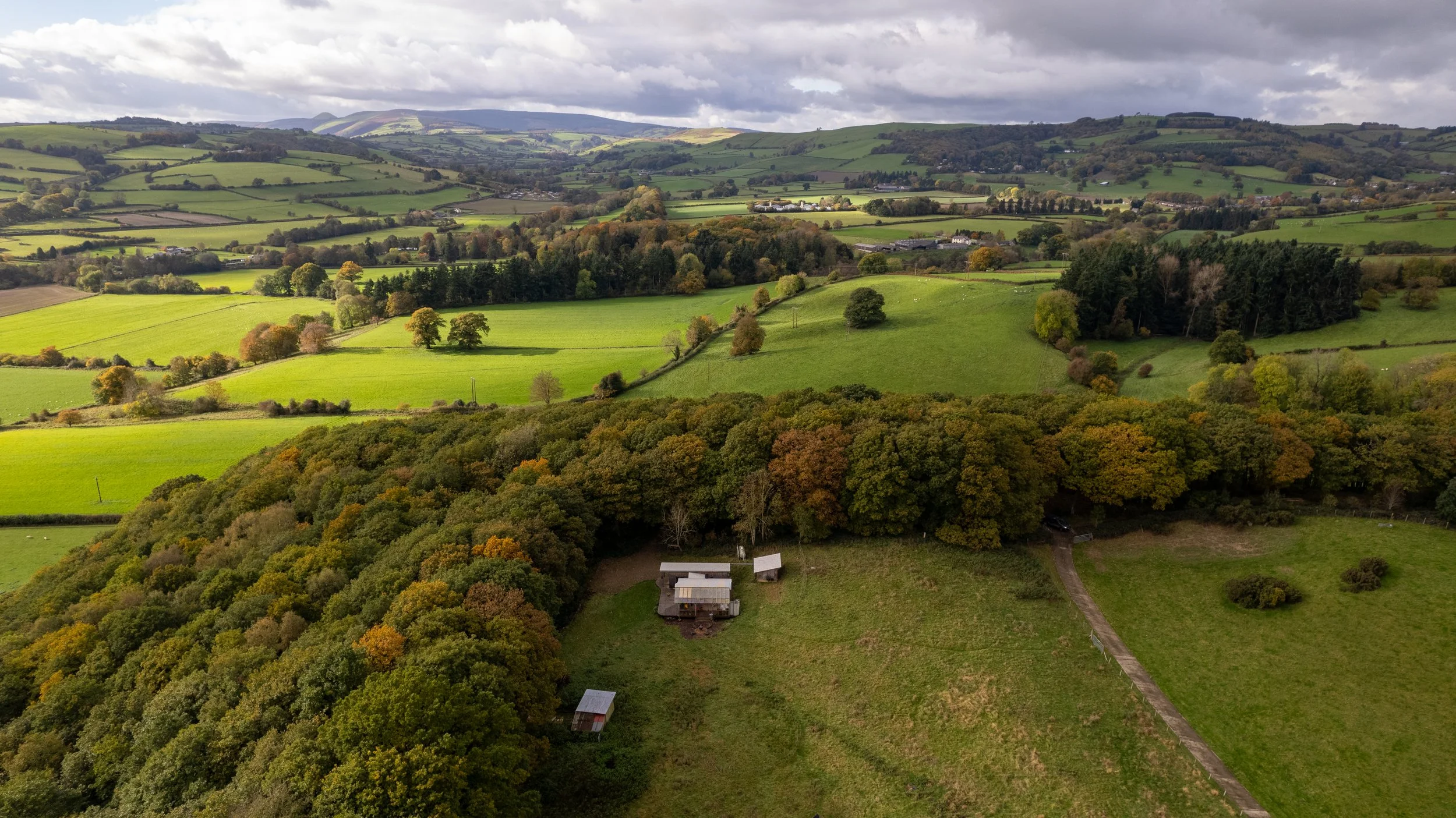
We steward over four acres of meadow and woodland using regenerative land management principles:
Rewilding areas of the site by removing fencing to allow natural biodiversity spread between woodland and meadow
Planting over 1,000 native broadleaf trees and hedging since 2021, with a high establishment success rate
Creating and managing wildflower meadows to support insects, pollinators, small mammals, and birds
Protecting existing habitats and encouraging naturally occurring wildlife, including deer, birds of prey, and nocturnal species
Mown pathways allow guests to explore the landscape while limiting habitat disturbance.
2.2 Water as a Regenerative Resource
Water management at Frith Meadow prioritises resilience and respect for natural cycles:
Supplying all potable water from an on site borehole sunk 94 metres into the aquifer
Filtering water using sediment and UV systems, tested annually
Harvesting rainwater into a 1,000 litre tank for toilet flushing and outdoor use
Treating all wastewater on site, returning filtered water safely back to the land
This closed loop approach supports both environmental protection and long term water security.
3. Low Carbon, Off Grid Living
3.1 Renewable Energy & Decarbonisation
Frith Meadow operates primarily on off grid renewable electricity, generated by an on site solar panel array with battery storage.
Solar electricity supplies all standard electrical needs
A backup generator is used only during periods of low winter solar gain
Current system upgrades include expanding the solar array, increasing battery capacity, and transitioning to lithium iron batteries to reduce generator reliance
Heating and hot water are currently our largest carbon source, supplied by a gas boiler. Reducing this dependency is a core focus of our decarbonisation journey.
3.2 Continuous Carbon Reduction
We undertake annual carbon footprint assessments through Ecollective, in partnership with Canopy & Stars, and use these insights to inform investment priorities and future decision making.
Planned and ongoing actions include:
Reducing generator use through renewable upgrades
Exploring biodiesel as a lower carbon fuel alternative
Transitioning site and personal vehicles to electric or hybrid models
Investigating electric vehicle charging infrastructure powered by renewable energy
4. Regenerative Design & Materials
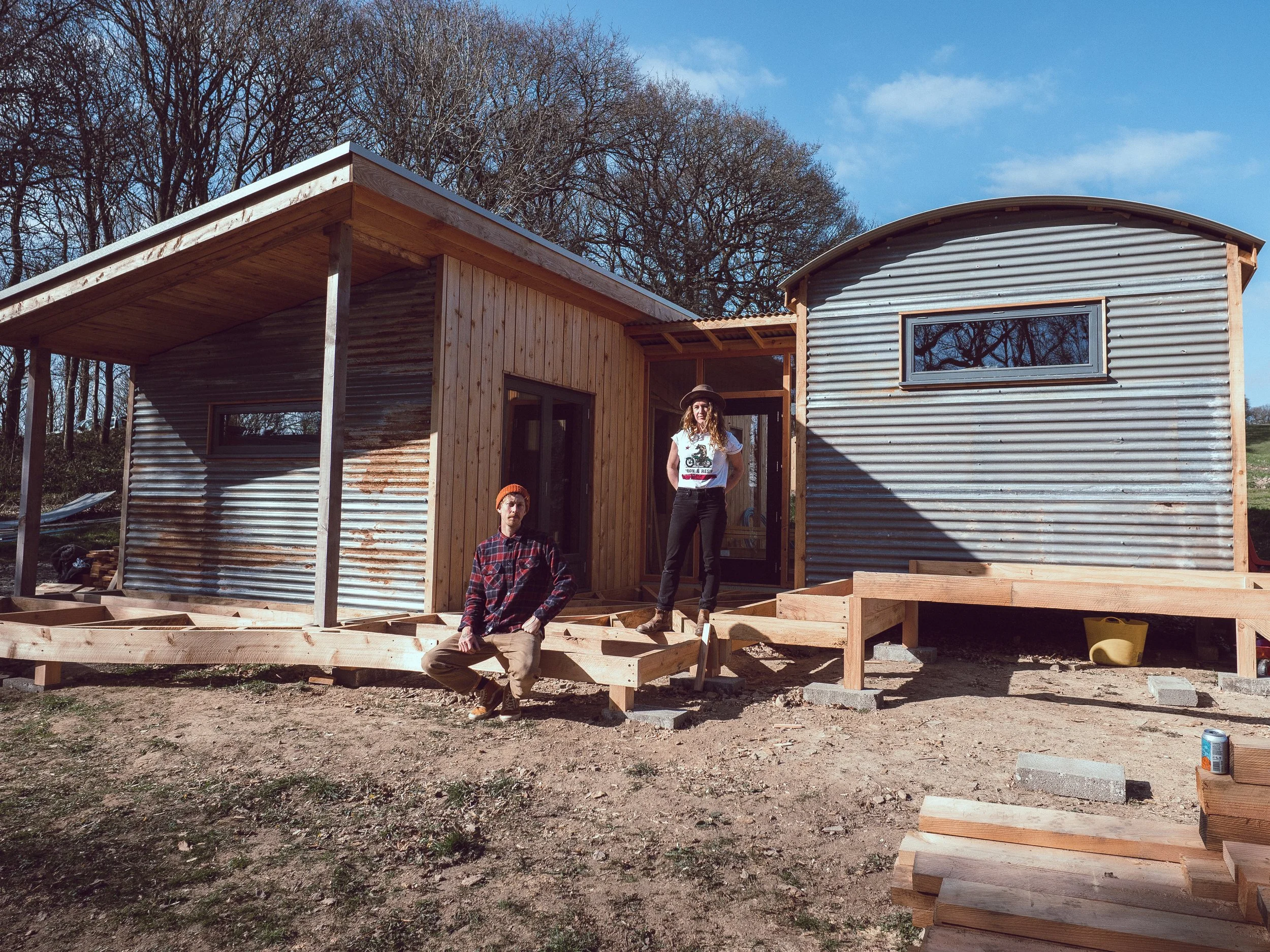
Our buildings are designed to tread lightly on the landscape while maximising longevity and comfort:
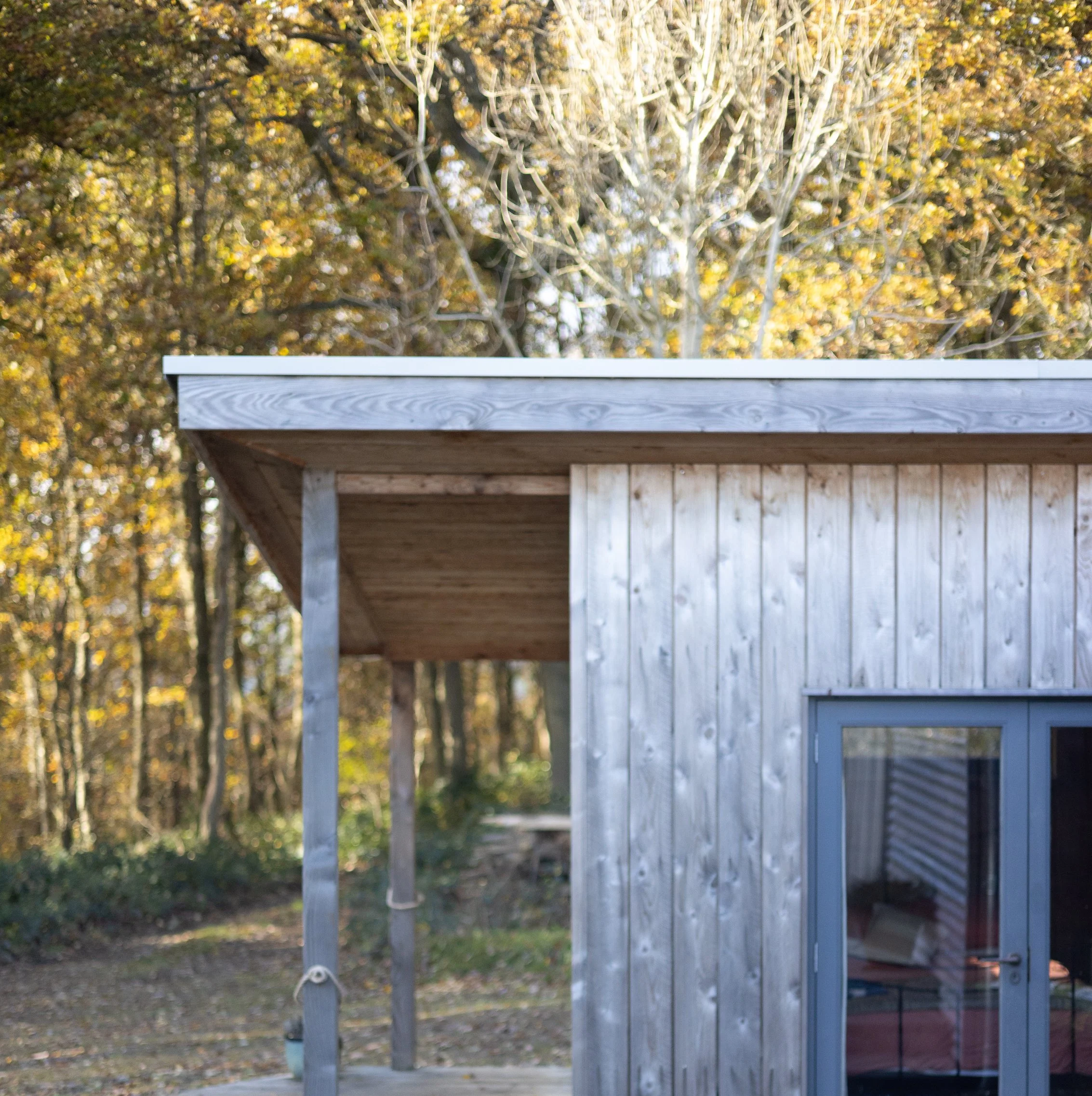
Using small scale, low impact foundations to protect roots, soil structure, and habitats
Constructing with locally sourced, reclaimed, and second hand materials wherever possible
Insulating with sheeps wool and recycled newspaper (WarmCell )
Using wood fibre board as an eco-friendly alternative to plasterboard
Finishing interiors with natural plasters and eco clay paints
These choices reduce embodied carbon while supporting healthy indoor environments.
5. Circular Resource Use & Waste Reduction
5.1 Waste & Materials
Frith Meadow embraces circular principles:
100% of food waste is composted
Guest waste is actively separated, with approximately 50% recycled
A zero waste refill system supplies toiletries and cleaning products using sustainably sourced, plastic free bulk refills
Firewood is harvested locally within a five mile radius, processed in house, and supported by reclaimed woodworking offcuts
6. Local Economy & Cultural Regeneration
We actively strengthen the local rural economy by:
Partnering with neighbouring farms, including sheep grazing for land management
Sourcing welcome hamper goods from local bakers, farmers, and producers
Supporting regional supply chains that prioritise quality, seasonal production, and reduced food miles
Future plans include deepening partnerships with local craftspeople and land based businesses.
7. Regenerative Guest Experience
Guests are invited to be participants, not consumers, of regenerative tourism:
Encouraged to slow down, explore on foot, and reconnect with nature
Provided with clear guidance on caring for wildlife, water, and resources
Offered locally focused welcome hampers celebrating Herefordshire produce
Future initiatives include bike provision for car free exploration and arrival by public transport
Proposed carbon positive initiatives include offering guests the opportunity to sponsor the planting and nurturing of trees on site.
8. Future Regenerative Projects
Planned and aspirational projects include:
Creating a natural swimming pond / eco pool that acts as a wildlife habitat and carbon sequestering ecosystem
Expanding tree and hedgerow planting across site boundaries
Increasing renewable energy capacity to further reduce fossil fuel use
Improving on site infrastructure efficiency to move closer to net zero operation
9. Monitoring, Learning & Accountability
Regenerative tourism is an evolving process. We commit to:
Regular review of environmental and carbon performance
Listening to guest feedback and local insight
Using assessments to guide meaningful, long term improvements
Being transparent about challenges as well as successes
10. Policy Review
This Regenerative Tourism Policy is reviewed regularly to reflect learning, innovation, and site development.
Last review: May 2026
Next review: May 2027