Decarbonisation
Updated May 2026
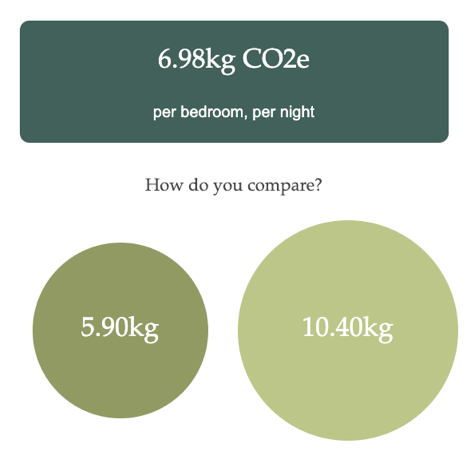
Carbon Footprint Calculator
We have undertaken yearly carbon assessments through Ecollective, in partnership with our booking agents, Canopy & Stars.
What We Are Already Doing
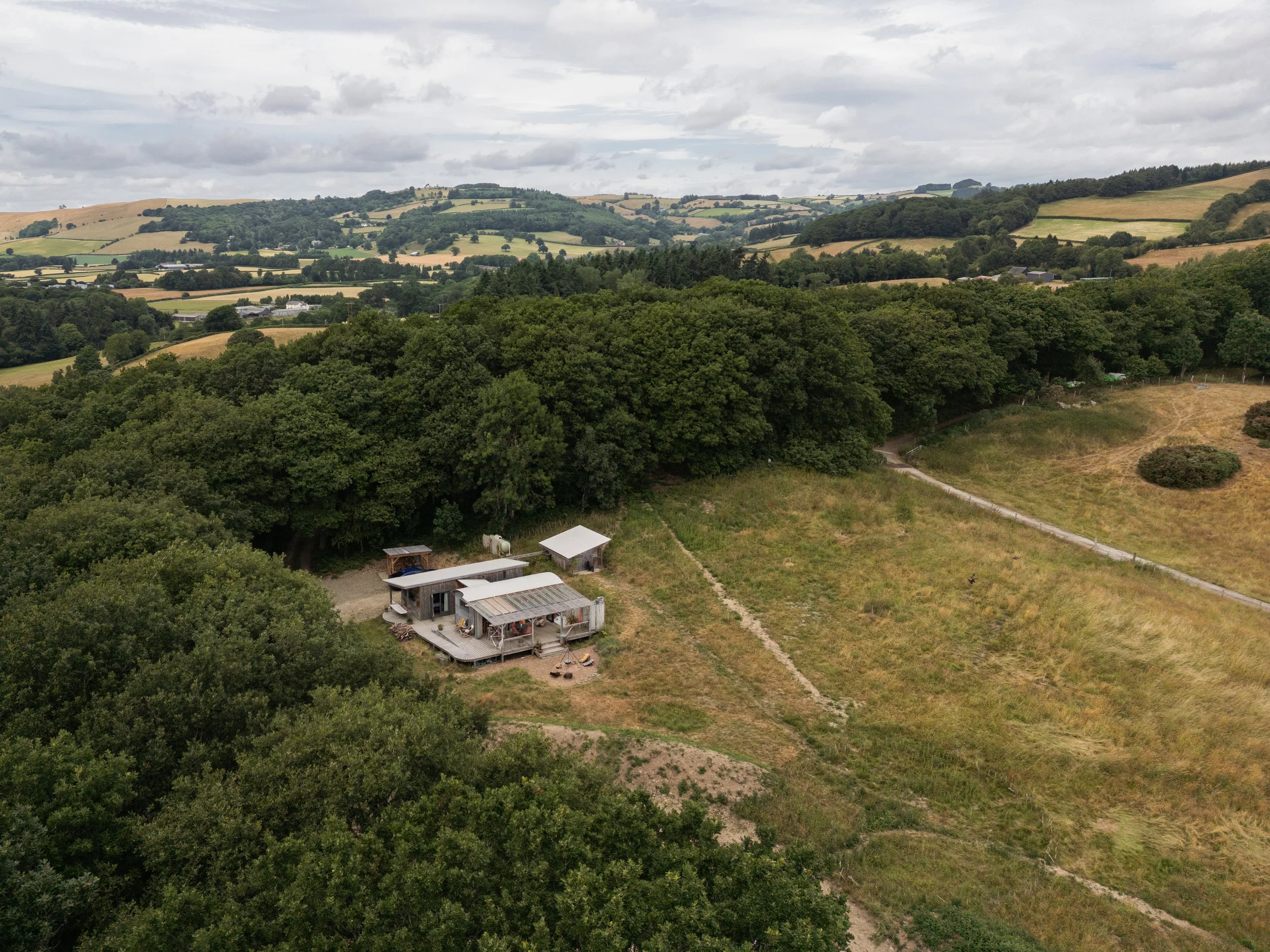
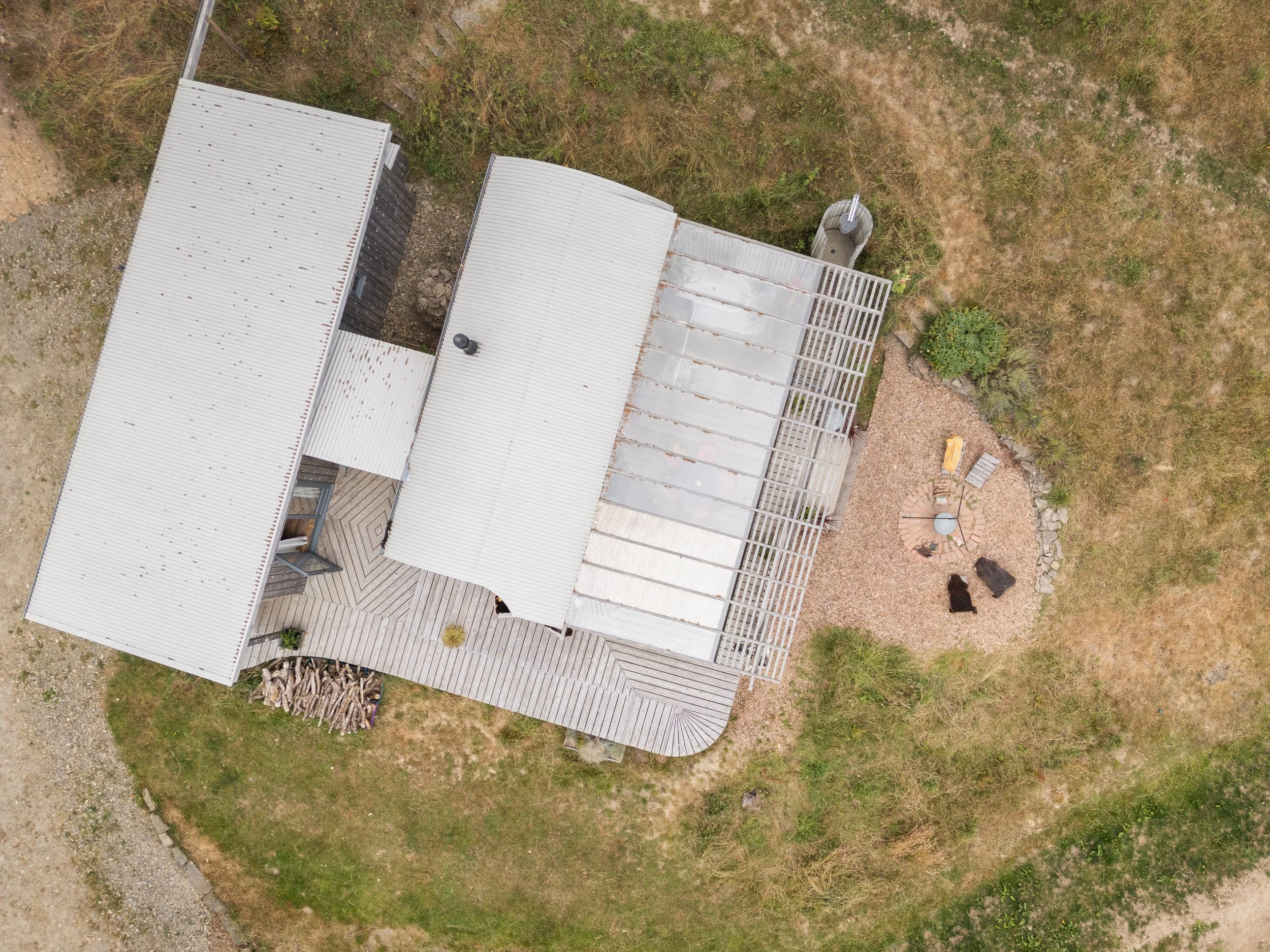
On site energy is primarily generated using 100% renewable electricity, via a nine panel solar array, inverter, and lead acid battery storage system. We also have a gas boiler supplying hot water, underfloor heating, and radiators. This is currently our largest on site carbon emitter.
We have a backup generator, which is used only during the winter months (mid November to mid March) when lower sun levels reduce solar efficiency.
We operate a zero waste refill station using sustainably sourced bulk products for items such as shampoo and on site cleaning products. This approach reduces plastic waste, transport mileage, and reliance on single use packaging while ensuring all products are eco friendly.
Our water is supplied by an on site borehole, sunk 94 metres into the aquifer, providing excellent water quality. The water is filtered on site using two sediment filters and a UV filter. Water quality is tested annually, and filters are replaced every six months. The water is naturally hard and quite alkaline, which has several health benefits.
We have a 1,000 litre rainwater collection tank, which is filtered and used to supply water for toilets and outdoor taps.
An on site treatment facility manages all human waste. This system treats waste and returns filtered water back to the land. The facility requires emptying annually, which is carried out by a local company.
Our welcome hamper is carefully curated with local, low food ‘mile products, including a loaf of seeded sourdough from Boulanger Artisan Baker, Method Coffee from local roasters in Worcester, and a bottle of hand-pressed apple juice made from apples grown in an orchard in the Golden Valley.
All laundry is washed in house using plastic free, eco washing detergents, with air-drying used whenever weather permits.
100% of our food waste is composted. Approximately 50% of guest waste goes to landfill, with the remaining 50% recycled and collected at the roadside.
We harvest and process all of our firewood ourselves from woodlands within a five mile radius. Kindling and starter wood are made from offcuts sourced from Bill's carpentry workshop. Our firelighters are handmade from wood shavings soaked in wax.
Since opening in 2021, we have planted over 1,000 native broadleaf trees with a high success rate. The mixture of hedging and individual trees planted across the meadow is thriving.
What We Have Recently Done / Are Currently Working On
We are expanding our solar panel array by a factor of 2.5, increasing our battery capacity and upgrading to lithium iron batteries and a larger inverter. This expansion will significantly reduce our reliance on the generator during winter months.
The new system will be more efficient and reduce maintenance requirements, as our current lead acid batteries require monthly topping up with deionised water.
This upgrade may also enable us to install an electric vehicle charging point on site.
Still on the List / In Progress
We are exploring the creation of an eco pool / natural swimming pond for guests. This would act as a small scale carbon sink while increasing biodiversity. Unlike conventional swimming pools, eco pools use natural filtration systems and aquatic plants rather than energy intensive chemical treatments.
Key ways an eco pool contributes to carbon sequestration include:
Photosynthesis by aquatic plants: Plants such as reeds and water lilies absorb COâ‚‚ and convert it into biomass.
Sediment storage: Dead organic matter settles at the bottom of the pond and can sequester carbon for long periods.
Reduced carbon footprint: Natural pools eliminate the need for harsh chemicals and their associated manufacturing and transport emissions.
High efficiency: Healthy pond and wetland systems are effective at storing carbon in sediments.
In addition to carbon sequestration, an eco pool would provide valuable habitat and significantly increase meadow biodiversity.
One day, we would love to provide bicycles for guest use, encouraging local exploration without cars. This would also make the site more accessible to guests arriving by public transport, as we are in a remote location where some form of transport is required to reach the local pub or shop.
We currently operate a diesel powered vehicle. When replacement becomes viable, we intend to purchase an electric or hybrid vehicle.
We aim to create a washing and drying area on site, powered by our off grid renewable electric system.
We are also exploring the use of biodiesel for our generator.
Scope 3 Emissions
We will consider offering free bike hire to guests who arrive via public transport.
Carbon Offsetting
For every stay, we could offer guests the option to sponsor a tree, which we would plant, name, and nurture on their behalf. This could also become an incentive scheme for returning guests and provide meaningful access to green space for guests living in urban areas.
Lower Cost and Lower Impact Actions
Plant a further 1,000 hedging trees along site boundaries.
Investigate installing a diesel storage tank to purchase fuel in larger quantities, reducing overall costs.
Continue researching biodiesel options.
Areas for Further Research
Investigate the most efficient operation of our on site treatment facility. It may be possible that it does not require emptying; if emptying is necessary, assess whether Maglothing Waste remains the best provider.
Explore electric vehicle charging points and their electricity demand on our off grid system.
Look into Biogas as the alternative for the gas.